— Chapter V of XIII —

Provence

A small corner of the Vaucluse, walked slowly. The perched village of Gordes — its outlook to Mont Ventoux, its twelfth-century château, its calade streets, the fruiterie that has been selling melons since before anyone can remember — and Sénanque Abbey, two valleys north, in the lavender.

Gordes · Sénanque · 5 Photographs
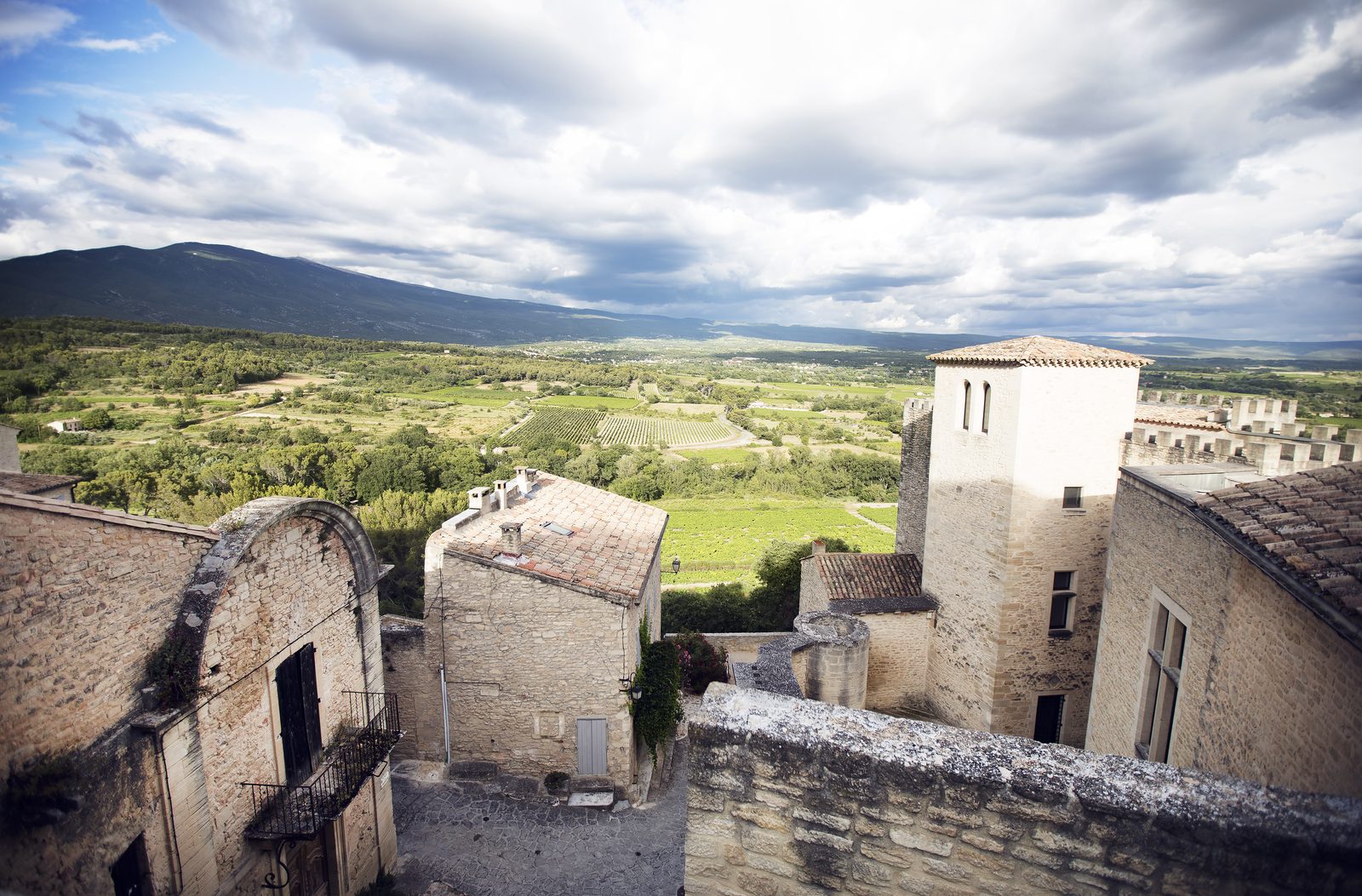
View from Gordes village over the Luberon valley — stone houses in foreground, vineyards in middle distance, Mont Ventoux range on the horizon
No. 01 · Chapter V · France

The Luberon, Below

From Gordes · Vaucluse · Provence

Gordes is one of the perched villages — built in the eleventh century on a limestone bluff so the inhabitants could see the next invader coming. Today they see vineyards. On the horizon, faint and blue, are the Monts du Vaucluse, and somewhere beyond them, Mont Ventoux — the bald peak Petrarch climbed in 1336 for no reason other than wanting to see what was up there. He may have been the first European to do so on record. — Photographer's Note

"Today I climbed the highest mountain in this region. Below me I saw the clouds."

— Francesco Petrarca · letter on the ascent of Mont Ventoux · 26 April 1336

29 Jun 2017 · 22:00  ·  Canon EOS 5D Mark IV  ·  EF 16–35mm f/2.8L II  ·  16mm  ·  f/2.8  ·  1/1600s  ·  ISO 200
Gordes · Vaucluse · Provence 43.9112° N · 5.2003° E
View on Maps ↗
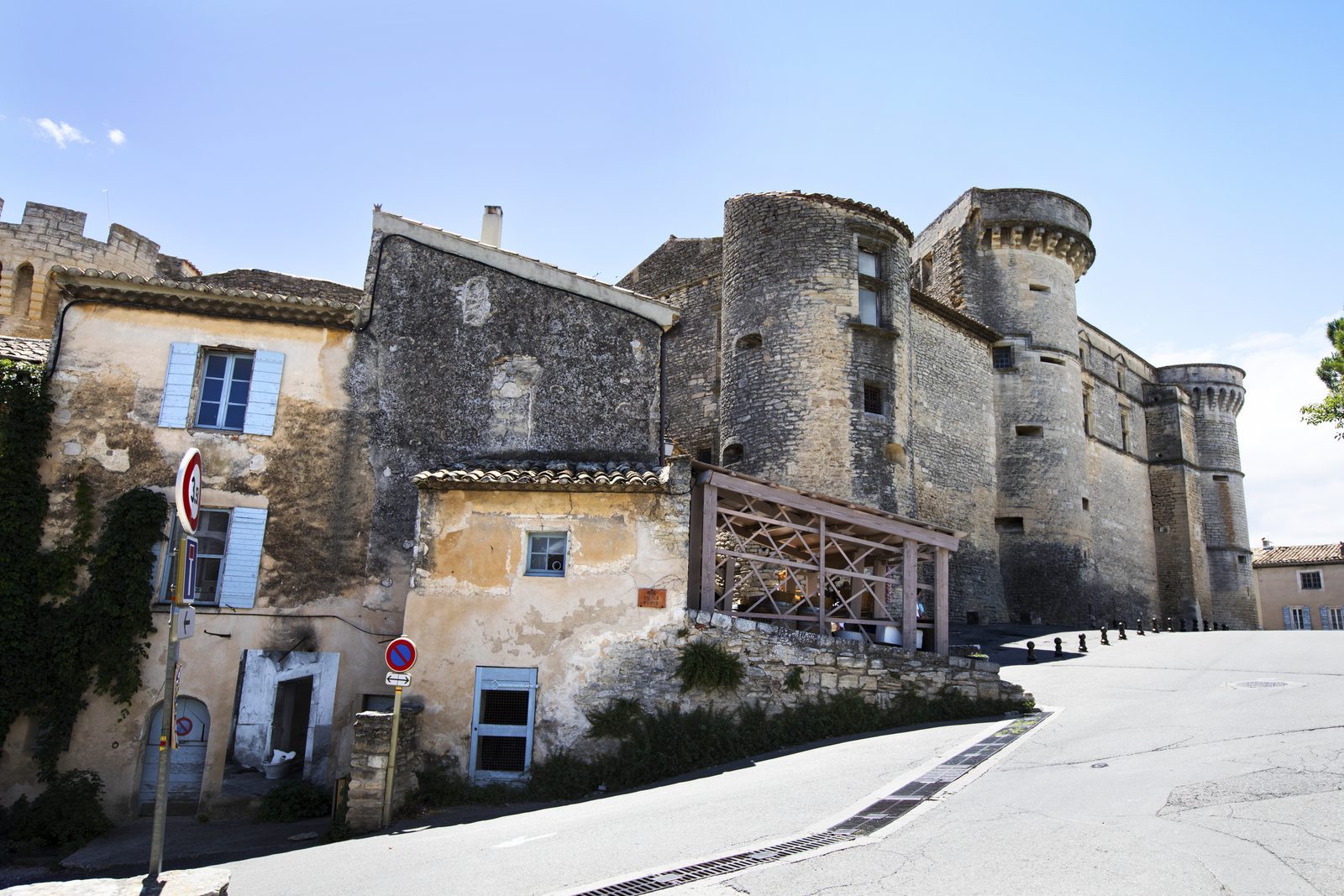
The medieval Château de Gordes, with two stone towers and a sand-coloured stone facade, against a clear blue sky
No. 02 · Chapter V · France

Le Château

Château de Gordes · 1031 · rebuilt 1525

First fortified by the Lords of Agoult in 1031 against the Saracens; sacked and rebuilt under François I in 1525, when the towers were added; restored a third time in the 1970s when Gordes had become the village painters and writers came to. Same site, three castles. The blue shutters on the house next door belong to no particular century — Provence has been painting its shutters this exact blue for as long as anyone has kept records. — Photographer's Note

"Les pierres se souviennent."
The stones remember.

— Provençal proverb

Fri 30 Jun 2017 · 16:39  ·  Canon EOS 5D Mark IV  ·  EF 16–35mm f/2.8L II  ·  25mm  ·  f/7.1  ·  1/500s  ·  ISO 400

Château de Gordes · Place Genty Pantaly 43.9115° N · 5.1998° E
View on Maps ↗
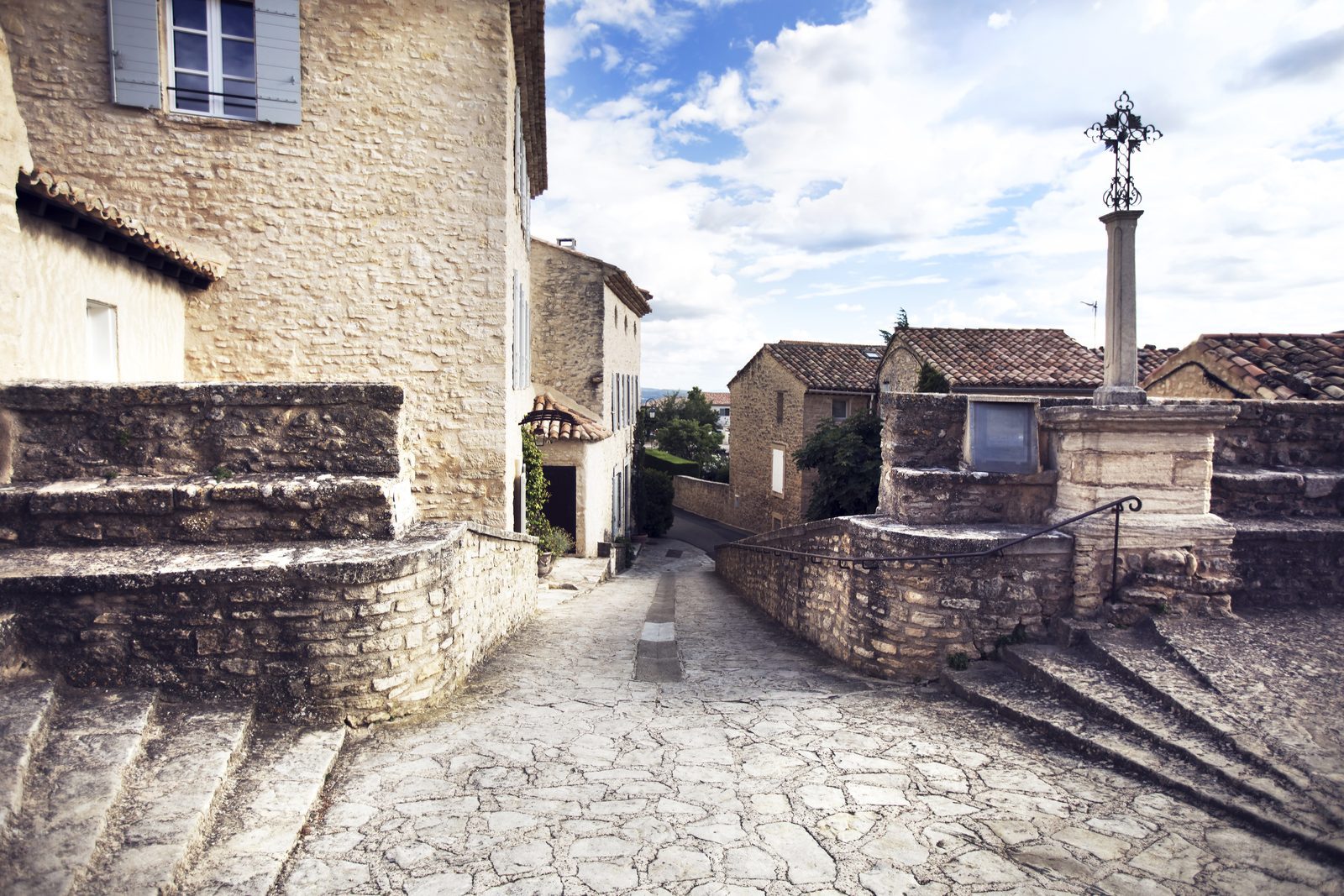
A traditional Provençal cobblestone street in Gordes, with a tall iron cross at the right and stone houses on the left
No. 03 · Chapter V · France

The Calade

A village street · Gordes

Calade is the Provençal word for this — flat limestone slabs set on edge into the slope, the stones tilted just enough that water and oxcart wheels both slide downhill. The technique is at least eight hundred years old; the streets here have outlasted three kings, two empires, and one Republic. The iron cross was put up sometime in the nineteenth century. The pavement underneath is older. — Photographer's Note

"L'éternité n'est guère plus longue que la vie."
Eternity is scarcely any longer than a life.

— René Char · Feuillets d'Hypnos · 1946 · poet of the Vaucluse

Thu 29 Jun 2017 · 21:40  ·  Canon EOS 5D Mark IV  ·  EF 16–35mm f/2.8L II  ·  21mm  ·  f/2.8  ·  1/1600s  ·  ISO 200

Gordes · Vaucluse · Provence 43.9112° N · 5.2003° E
View on Maps ↗
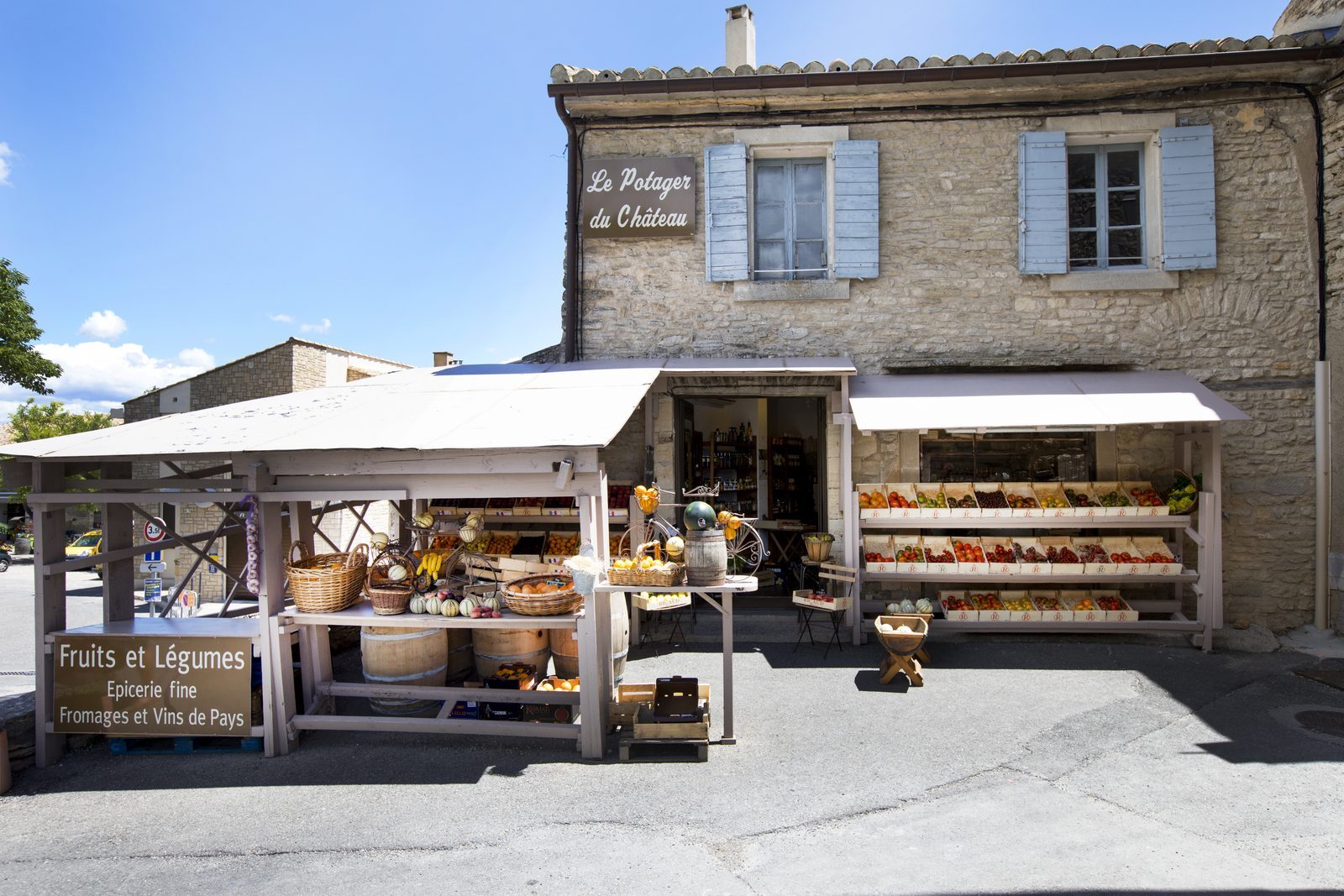
Le Potager du Château fruiterie in Gordes, with wooden produce displays of melons, tomatoes, peppers, and a sign reading Fruits et Légumes
No. 04 · Chapter V · France

Le Potager du Château

A village fruiterie · Gordes

The name means "the Château's kitchen garden." Fruits et Légumes. Épicerie fine. Fromages et Vins de Pays. Everything that grows within thirty kilometres ends up here within a day of being picked — Cavaillon melons in July, peaches from the Durance valley, tomatoes from the cooperatives below the village, lavender honey from the high country above Sénanque. Peter Mayle once observed that in Provence, anything that grows here grows lazily, in its own time. The shop keeps the same hours. — Photographer's Note

"Anything that grows here grows lazily, in its own time."

— Peter Mayle · A Year in Provence · 1989

Fri 30 Jun 2017 · 16:42  ·  Canon EOS 5D Mark IV  ·  EF 16–35mm f/2.8L II  ·  25mm  ·  f/7.1  ·  1/500s  ·  ISO 400

Le Potager du Château · Gordes 43.9114° N · 5.2002° E
View on Maps ↗
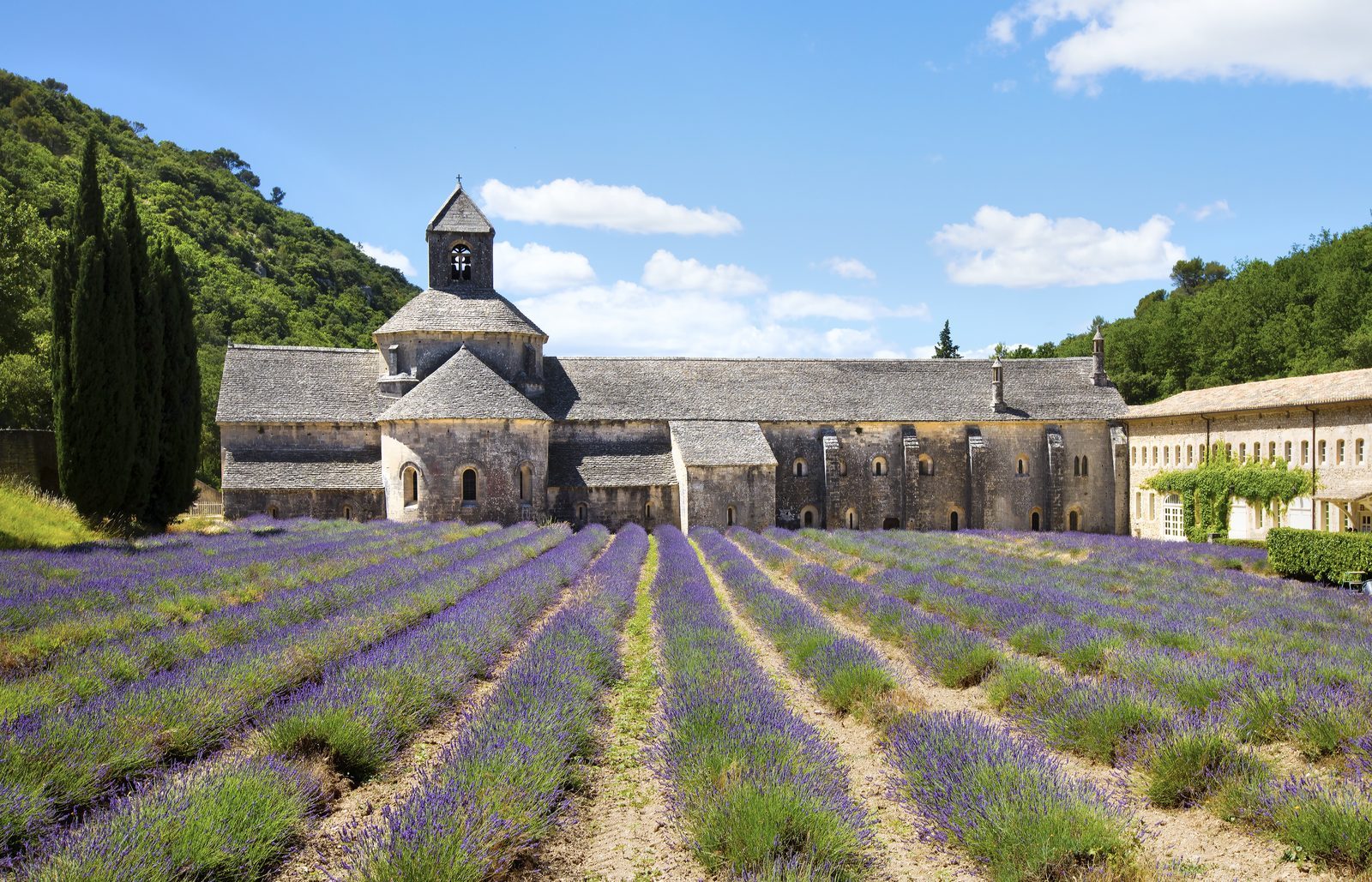
Abbaye Notre-Dame de Sénanque in Provence — a 12th-century Cistercian abbey fronted by long rows of lavender in full bloom
No. 05 · Chapter V · France

Lavender · Sénanque

Abbaye Notre-Dame de Sénanque · founded 1148

Four kilometres north of Gordes, in a small valley the Cistercians chose precisely because nobody else wanted it, stands an abbey that the brothers built with their own hands beginning in 1148. They have been there ever since — eight centuries of monks getting up at four in the morning to say matins. Lavandin (which is what most of the field actually is — a hybrid more useful for oil than for fragrance) reaches peak bloom in late June and is harvested through July. The bees outnumber the monks by perhaps a million to one. Everyone in the valley agrees this is the correct ratio. — Photographer's Note

"You will find something far greater in the woods than in books.
Stones and trees will teach you that which you cannot learn from masters."

— Bernard of Clairvaux · founder of the Cistercian order · c. 1130

Fri 30 Jun 2017 · 15:19  ·  Canon EOS 5D Mark IV  ·  EF 16–35mm f/2.8L II  ·  35mm  ·  f/11  ·  1/400s  ·  ISO 400

Abbaye Notre-Dame de Sénanque · Gordes 43.9275° N · 5.1700° E
View on Maps ↗
— Next Chapter —
Bordeaux
Chapter VI of XIII
← All Chapters